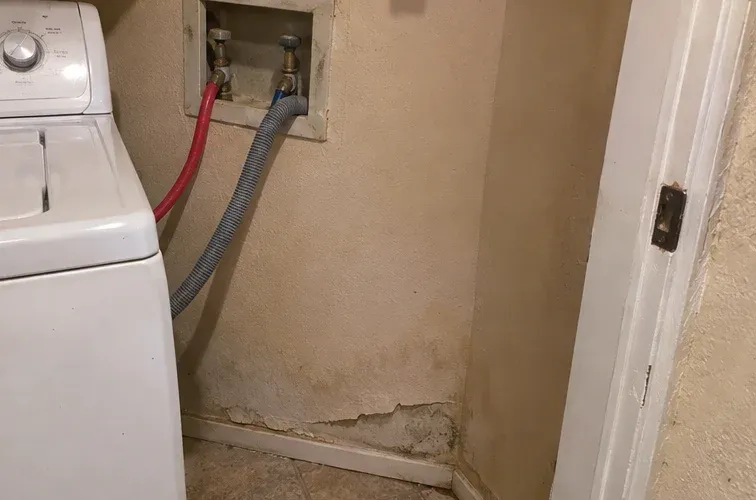
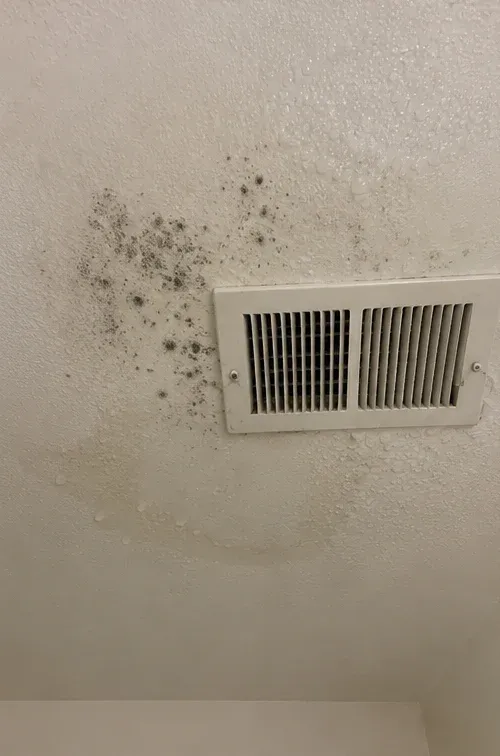
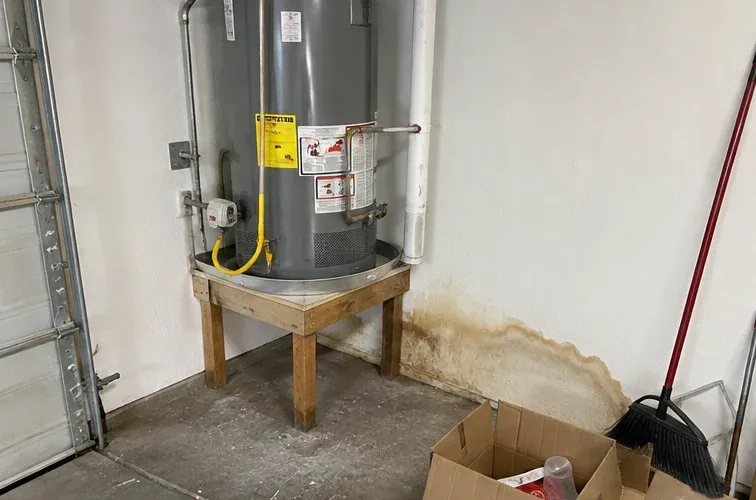
There is no field test for black mold. Bleach, peroxide and a cotton swab do not identify a species, and a change in color proves nothing. The only way to know the genus is a lab sample, and the lab result rarely changes the scope.
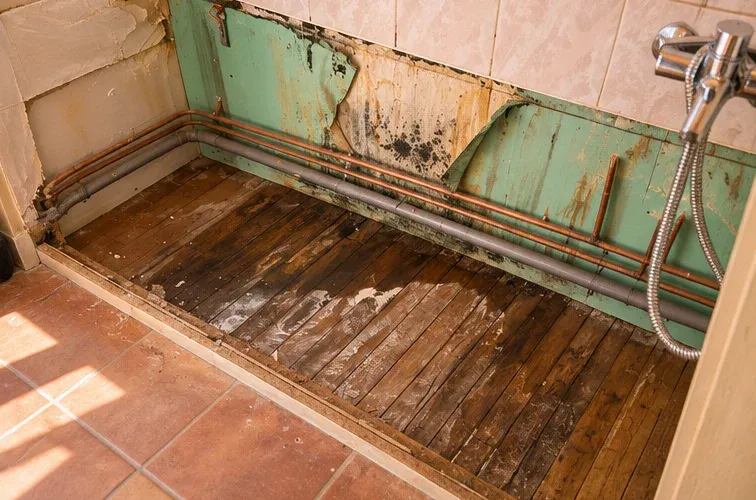
Stachybotrys chartarum is the species most people mean. It grows on chronically wet cellulose and appears dark green to black. Several other genera can look black too, such as Chaetomium, Alternaria, Cladosporium and Aspergillus niger. All of them are removed the same way.
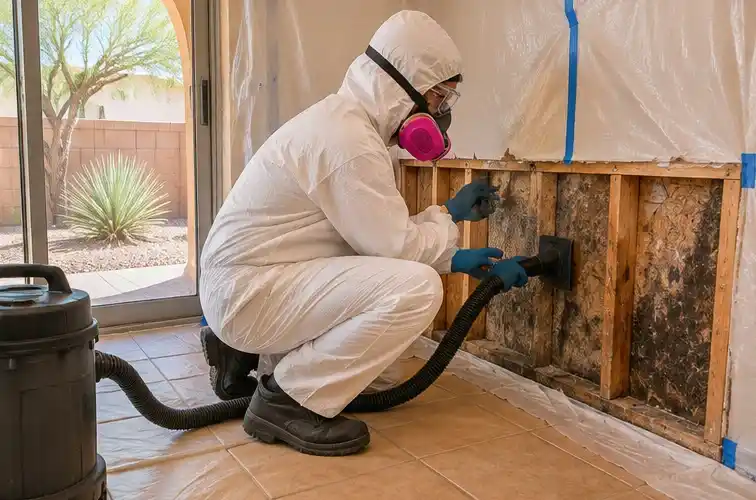
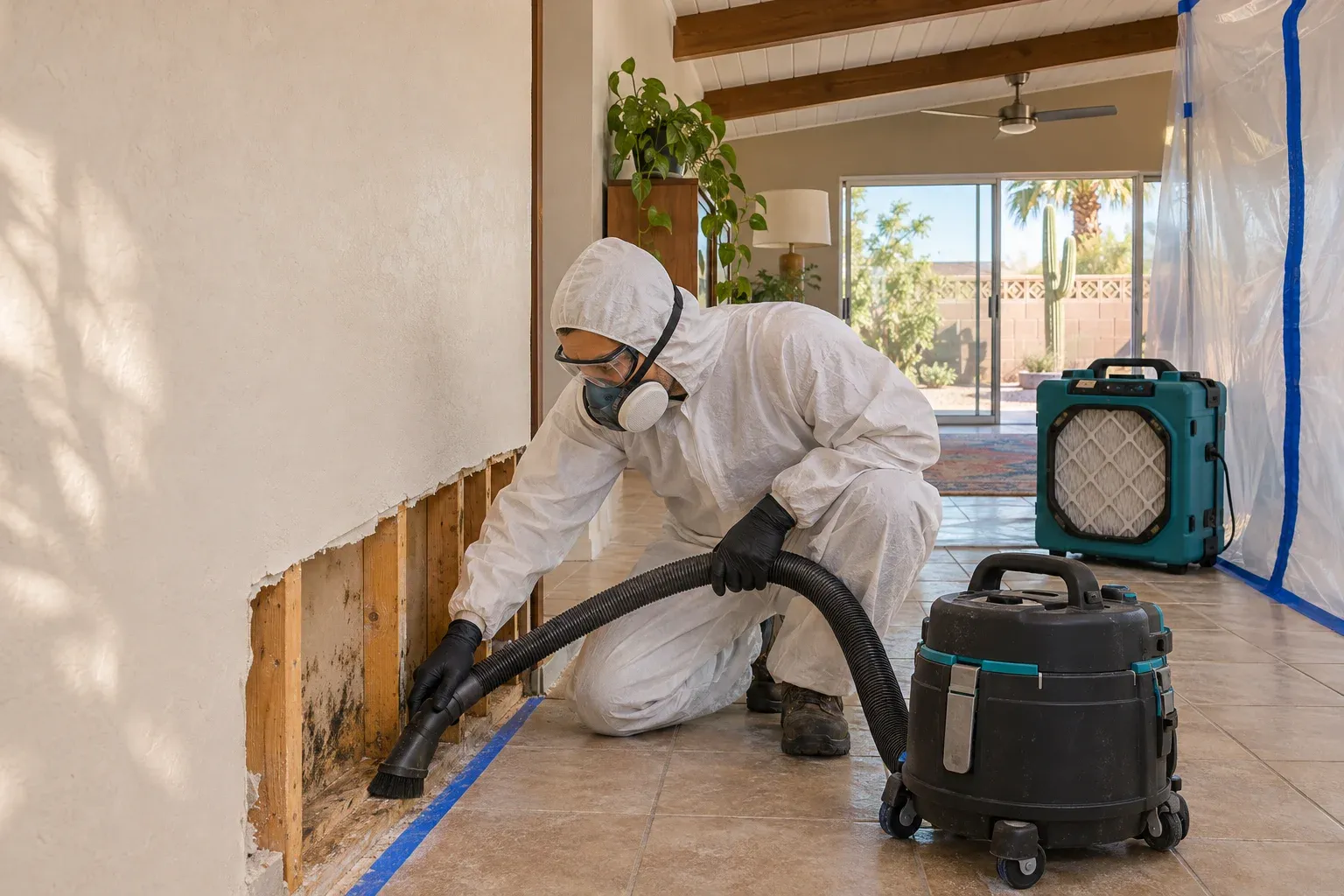
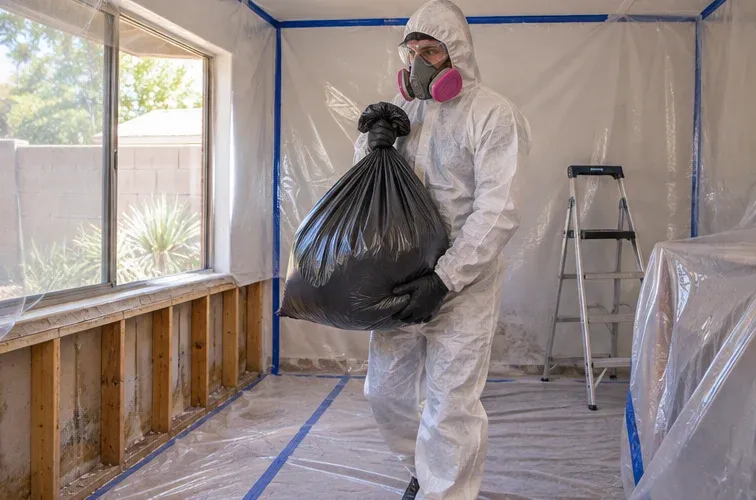
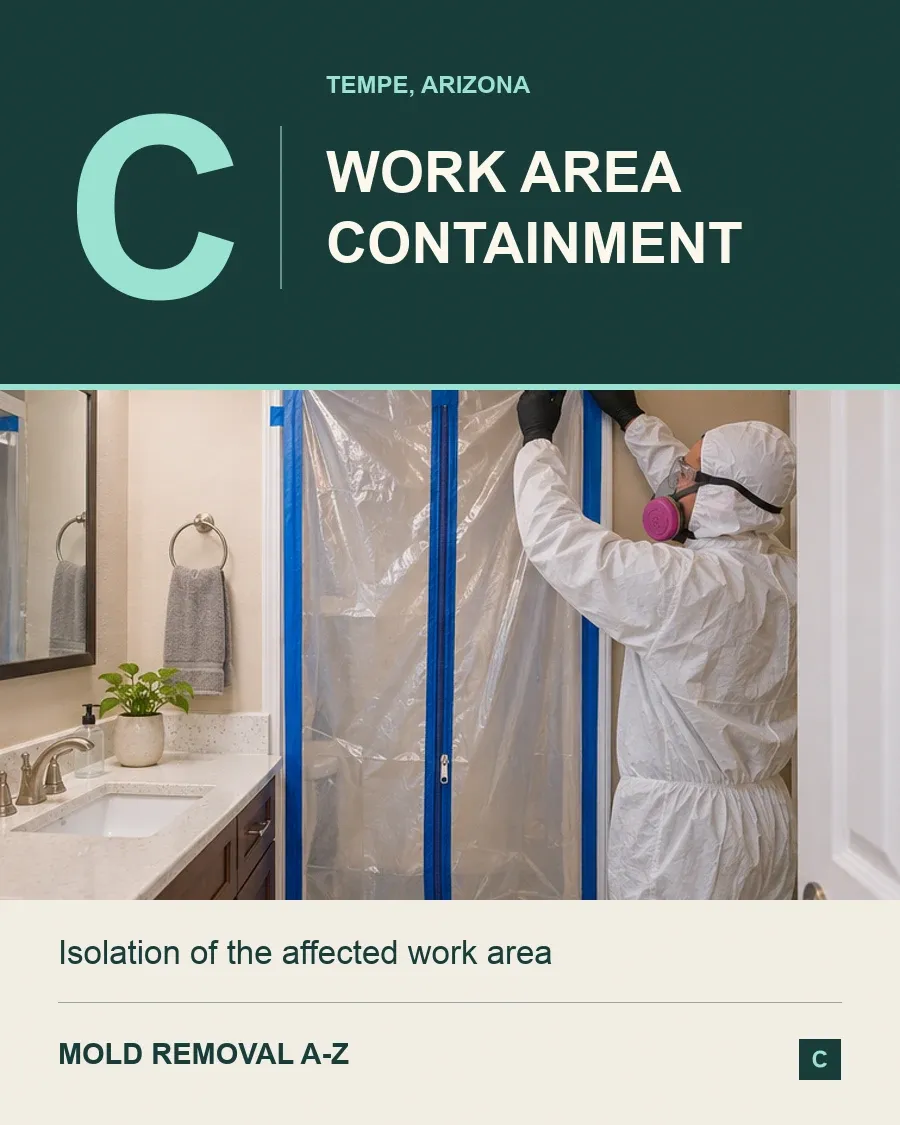
That is the practical point. Removal is driven by the material and the moisture, not the name. Drywall, insulation, carpet and cabinet board come out. Tile, metal, glass and solid wood are cleaned and dried. Containment keeps the rest of the house out of the dust.
A lab report is useful for documentation: a landlord, a buyer, an insurer or a doctor may want it. It is not a permission slip, and a negative sample does not mean the wall cavity is clean.
Words to be careful with: "toxic black mold" and "kills 100 percent of mold" are marketing, not science. The EPA's guidance is about moisture and removal, and it does not set a health-based exposure limit.